 ONTEA
ONTEA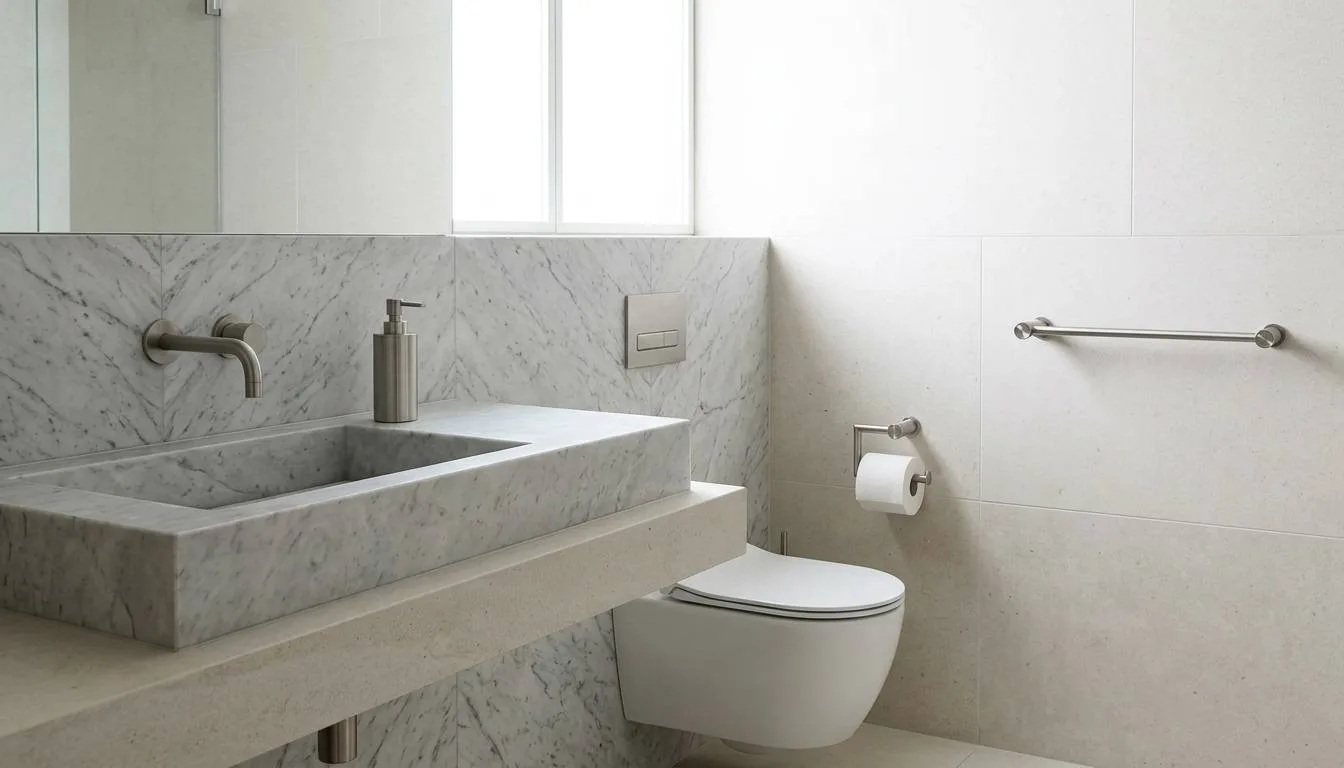
Finish consistency across a multi-room project depends on a controlled reference, not a promise based on one photograph. Approve the actual product and finish, record the exact variants in the schedule, and inspect delivered items against that reference under comparable lighting. This process makes discrepancies easier to identify before they are installed in many rooms.
Key Takeaways
- Approve physical samples for the exact products and finishes in the room set.
- Keep finish names, product references, sample revision and approval record together.
- Inspect deliveries and the first completed room before repeating the specification at scale.
Approve a coordinated set, not isolated swatches
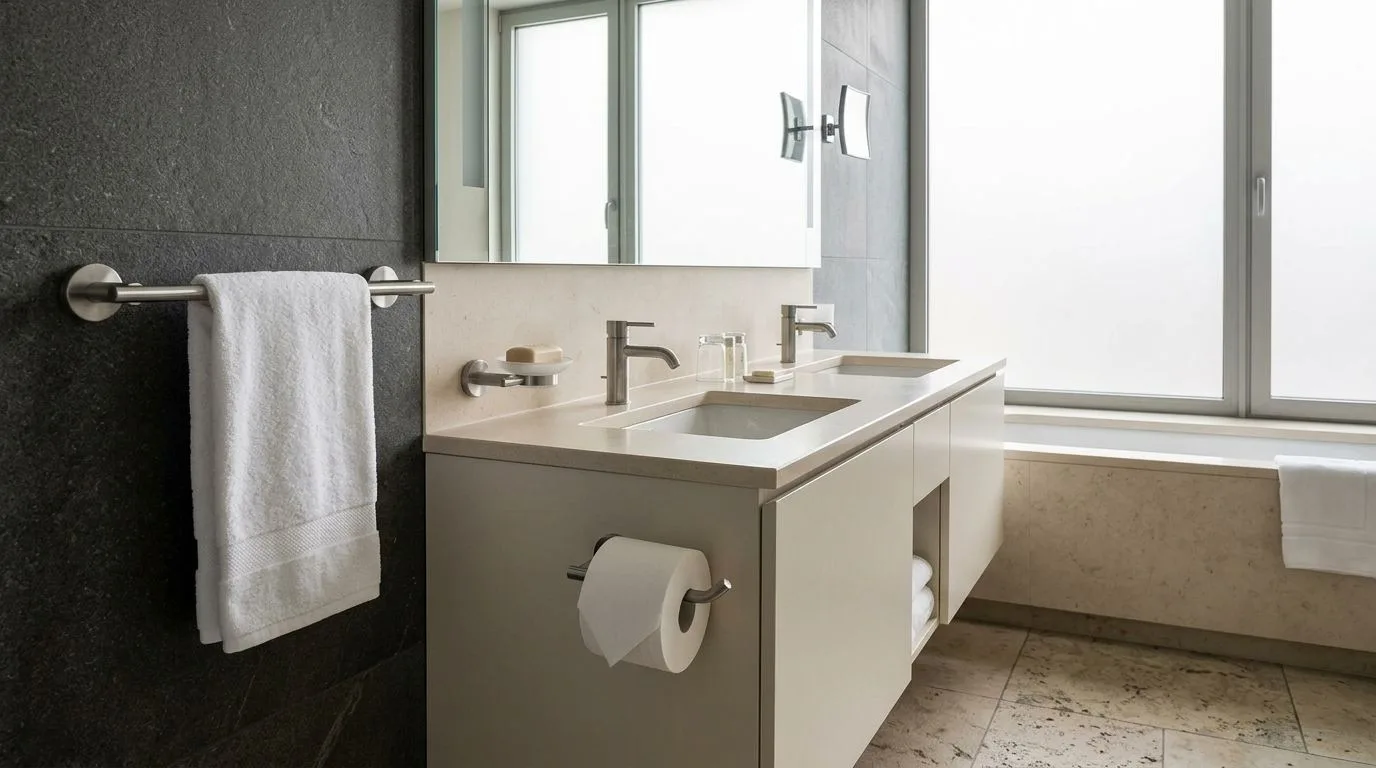
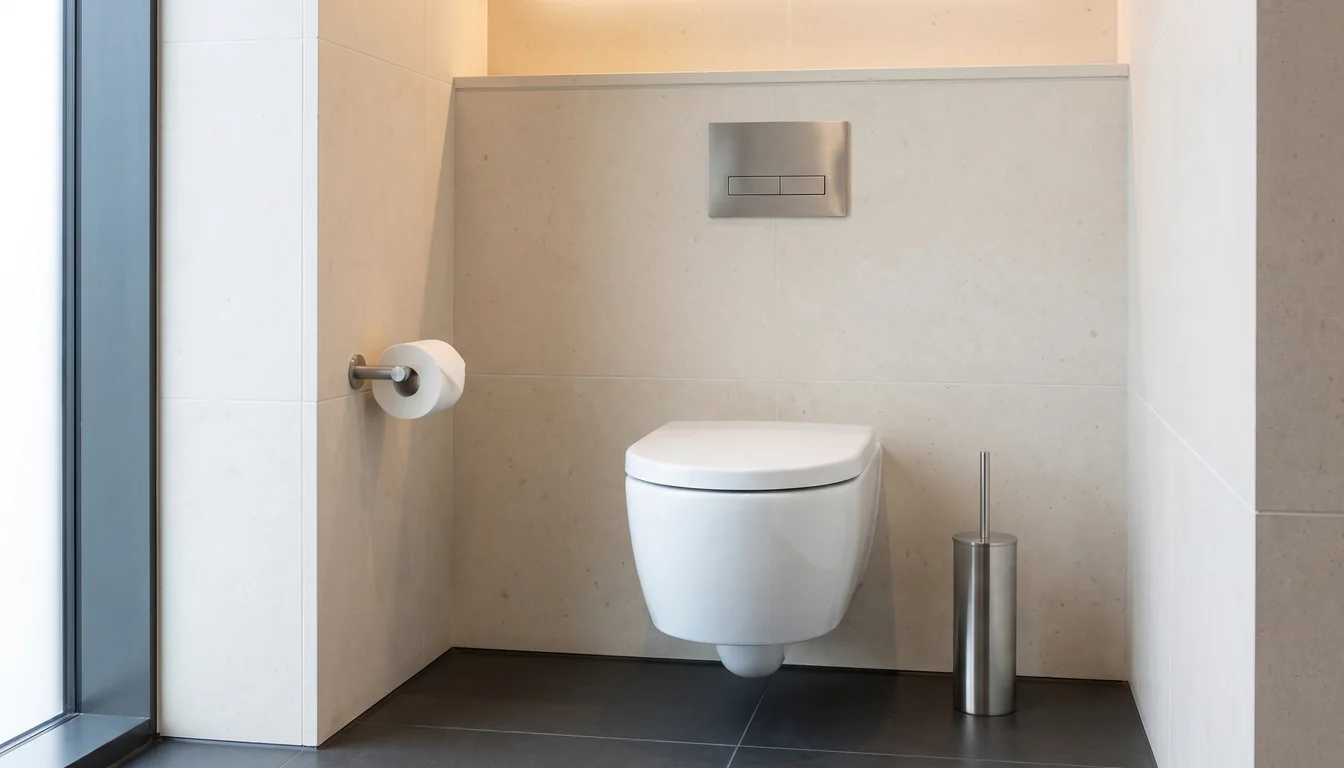
Review the rails, holders and dispensers together with the surfaces and fittings they will sit beside. Compare colour, sheen, edge treatment, visible mounts and visual weight. A collection photograph can help with initial selection, but it does not prove that separate items, variants or production batches will look identical.
Request samples that correspond to the proposed products and finish options. Label each sample with its source, product reference, date and revision. Keep the approved reference protected and accessible to the design and site teams. If a finish choice changes, supersede the earlier record clearly rather than letting old and new approvals circulate together.
Define how the comparison will happen
Agree who approves the sample and how visual comparison will be made. Use consistent lighting and viewing conditions where practical. Record what was approved, any acceptable variation specified by the project, and how a concern should be escalated. Do not create a numerical tolerance unless the supplier and project team have established a suitable method for measuring it.
Product examples for a room palette
These three catalogue pages show stainless steel accessories of different types and, in this set, two material grades: the deck-mounted dispenser is AISI 316L, while the roll holder and towel rail are AISI 304. They sit in one accessory family and share a visual intent, but they are different types of fitting and not a guarantee that their available finishes match. AISI 316L and AISI 304 are both common shorthand for compositions covered in the UK and EU by BS EN 10088, the stainless steel standard series, which sets chemical composition rather than surface finish. Two items can share that composition standard, or share one accessory family's design language, and still leave the factory with a different sheen, so check the selected product variants and obtain project samples before treating them as one palette. For the wider trade-off between 304 and 316L in wet rooms, see our grade comparison for stainless steel taps.
 ProductWall mounted toilet roll holder2MS37630-BSAISI 304 stainless steel body in four finishes, guide price £85. The roll is held clear of the wall so it changes without marking the tile. The Fontea range publishes no 316L roll holder.View in catalogue →
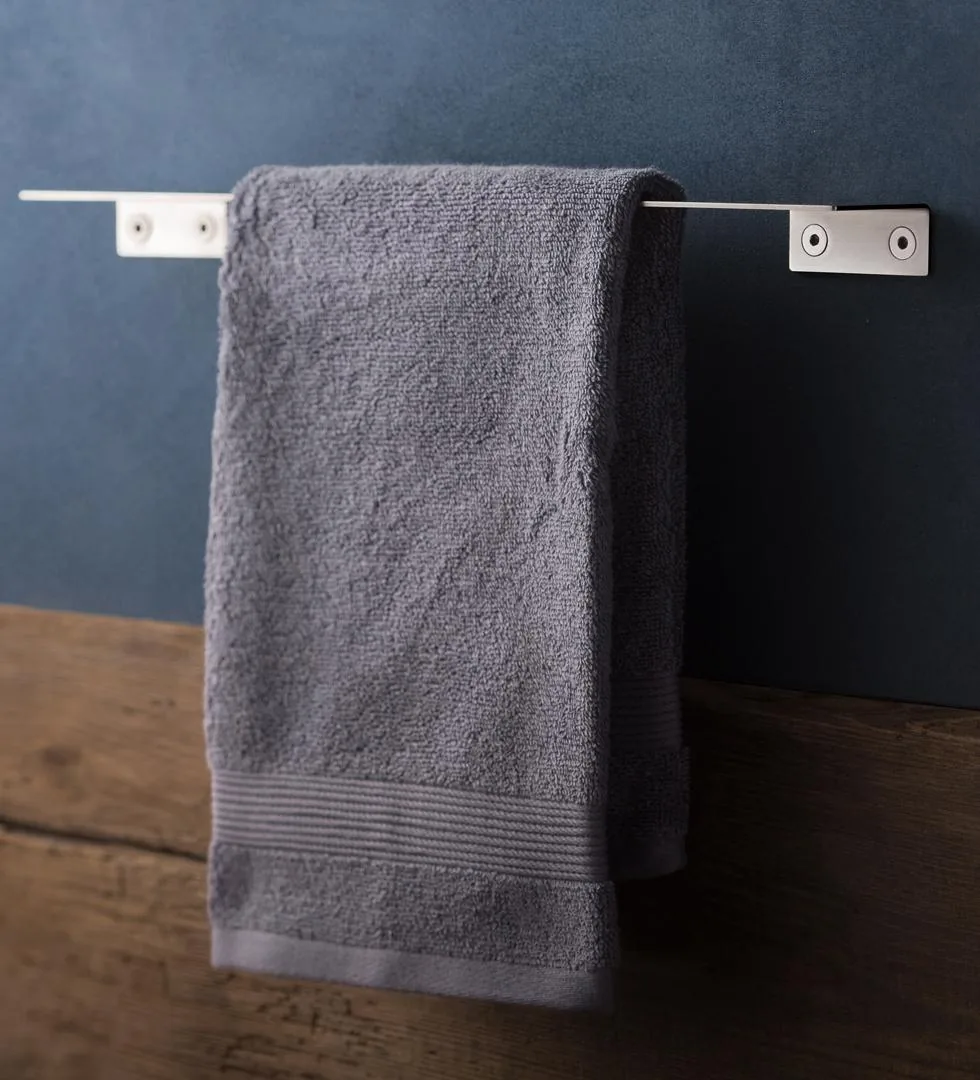 ProductWall mounted towel rail, 320 mm2MS3795-BSAISI 304 stainless steel, 320 mm bar in four finishes, guide price £115. The projection and fixing detail are not recorded, so take them from the selected variant. The Fontea range publishes no 316L towel rail.View in catalogue →
 ProductDeck mounted stainless steel soap dispenser2AE0314-BSAISI 316L stainless steel in four finishes, guide price £290. Deck mounted, keeping the unit clear of the splash zone behind the basin.View in catalogue →
The roll holder, towel rail and deck-mounted dispenser serve different room zones. Their catalogue listings provide product-level information, but finish options and appearance should be confirmed for each selected variant. A shared accessory family, and in two of these three items a shared material grade, is not, by itself, evidence of a shared finish or visual match.
Control the schedule and submittal trail
Each schedule line should include product identity, variant, finish description, room type, quantity and the approved sample reference. RICS's NRM suite sets out how a schedule of this kind should be structured so client, contractor and supplier read it the same way. Link the submittal to the current drawing revision, in line with the design-stage outputs the RIBA Plan of Work expects at each stage. When substitutions are proposed, review them against the approved finish and room context before purchase; similar names or product images are not enough to establish equivalence.
Store the approval decision with date, reviewer and any conditions. Share the current reference with procurement, receiving staff, installers and the person conducting room inspections. This simple chain reduces the risk of one team checking against an outdated image while another works from a newer selection.
Inspect deliveries and first installation
At receipt, compare delivered labels and visible items with the order and sample record. Separate items that appear inconsistent and request clarification before installation. Photographing a first-room installation can create a useful project record, provided the team compares the actual fitting to the approved reference rather than relying on the photograph as the reference itself.
Inspect later deliveries and rooms using the agreed process. Note the location, item, batch or delivery information available, lighting conditions and observed difference. A mismatch should be reviewed by the designated approver and supplier before deciding whether it is acceptable, replaceable or a schedule change.
Keep approved samples usable
Store samples so they are not scratched, tarnished or exposed to conditions that alter their appearance. Label them clearly and make the owner responsible for returning or replacing them when they are no longer reliable. If a sample is damaged or its provenance is uncertain, request a new reference rather than treating it as definitive.
For related responsibilities, read who owns accessory supply and installation across FF&E and construction packages. For ongoing care, see cleaning protocols for stainless bathroom accessories.
Finish approval is strongest when selection, procurement and site inspection use one traceable reference. That gives the project team a practical basis for discussion without claiming that every delivered surface will be visually identical under every condition.
Specify it from the catalogue
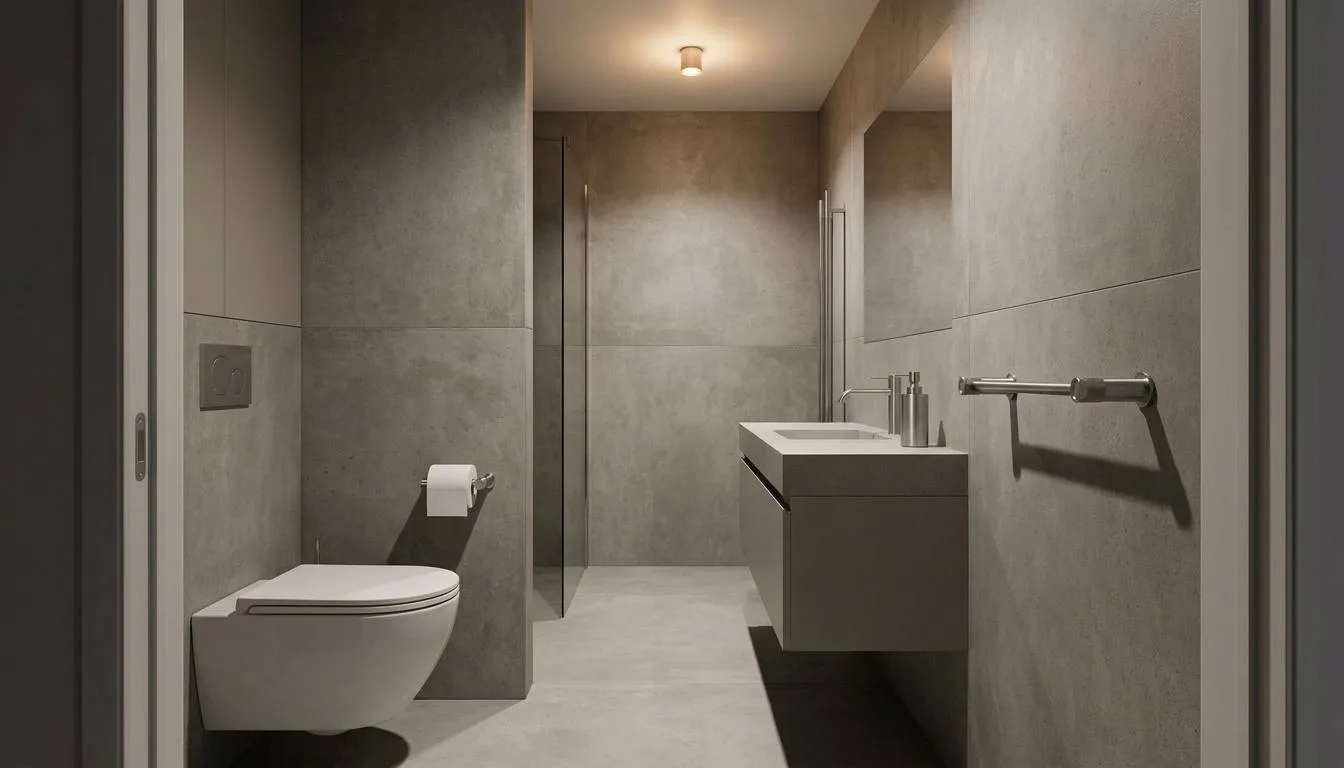
Every fitting mentioned here is stocked and specified in the FONTEA trade catalogue: full technical data, finishes and wholesale tiers.
Related reading
-
 Commercial projects
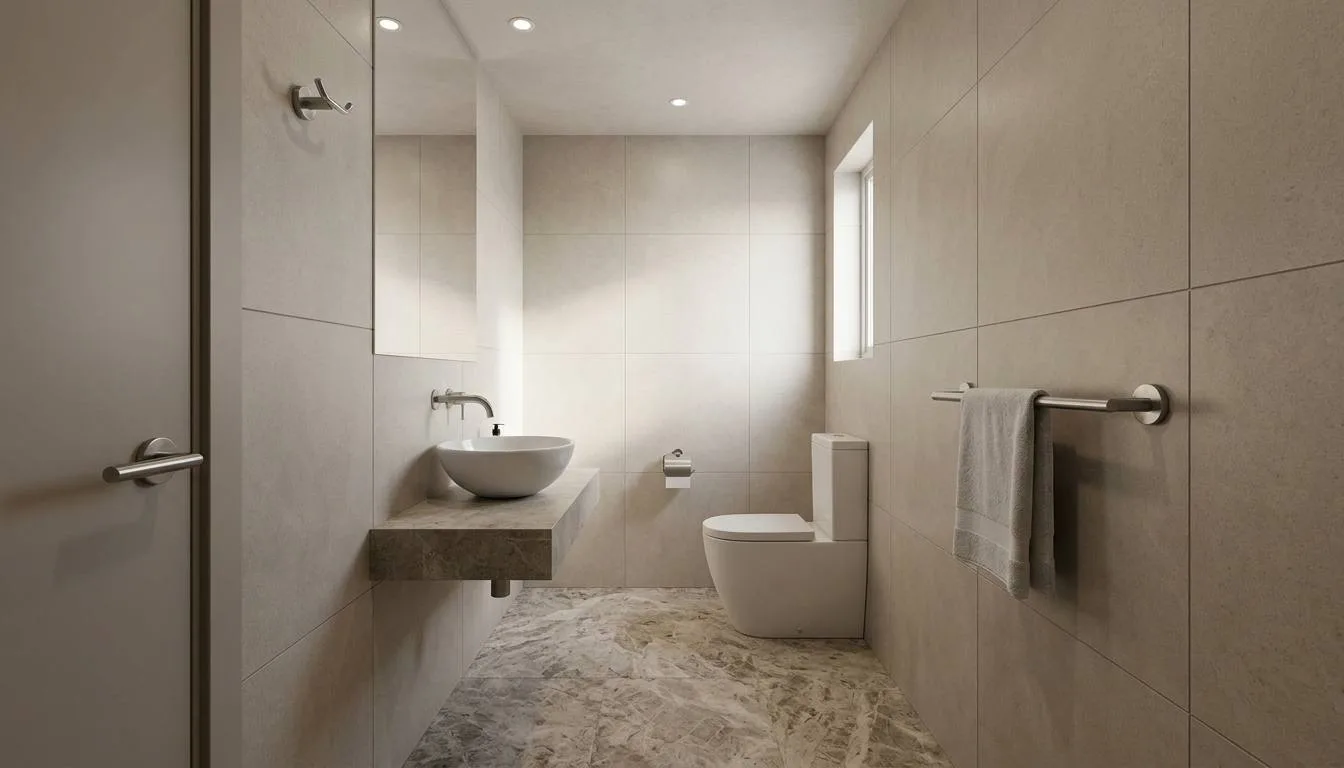
Who Buys Bathroom Accessories on a Build-to-Rent or Hotel Project?
Assign accessory selection, procurement, backing, installation and handover responsibilities explicitly across FF&E and construction packages.
-
 Maintenance
Housekeeping and Stainless Steel: Which Cleaning Chemicals Damage Bathroom Accessories?
Create a practical cleaning protocol for stainless bathroom accessories that controls product choice, dilution, contact time, rinsing and escalation.
-
 Commercial projects
Grade 304 or 316 for High-Traffic Office Washrooms?
Choose bathroom accessory grade from exposure, cleaning regime, product specification and maintenance expectations, not traffic volume alone.