 ONTEA
ONTEA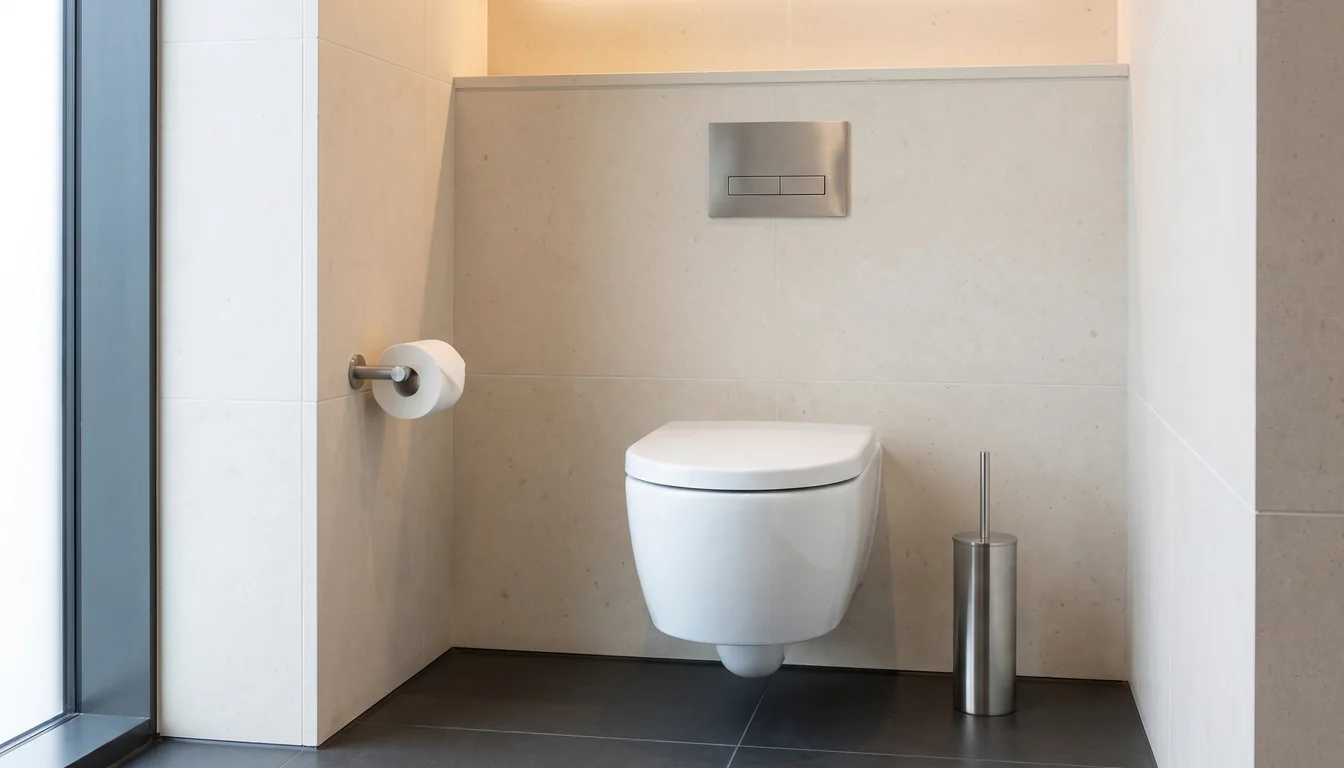
Choose stainless steel accessory grade from the environment, exposure and maintenance plan, not from occupancy or traffic alone. Compare the project's location, potential chloride exposure, cleaning routine, ventilation and finish requirements, then verify the grade for every selected product. A collection image or broad range description is not a substitute for a product-level specification.
Key Takeaways
- High use can mean more contact and cleaning, but does not by itself determine the required grade.
- Record exposure conditions and care practices before making the material decision.
- Verify grade and exact variant against each product's current technical information.
Separate traffic from corrosion exposure
Traffic describes how often people use a room. It may affect wear, cleaning frequency and maintenance planning, but it does not describe the chemical or atmospheric exposure at the fitting. Those are separate considerations. A busy interior office washroom and a lower-use room exposed to a different environment should not be treated as identical solely because of visitor numbers.
Start by documenting where the project is, what cleaning products are used, whether chloride-bearing substances may contact the fittings, how often surfaces are cleaned, and what finish the design requires. Include the maintenance team's actual procedure rather than assuming it will match a generic product recommendation.
Compare the specified item, not a grade label in isolation
AISI 304 and AISI 316/316L are distinct stainless steel grades, and their resistance to pitting in chloride environments differs with alloy composition (see the British Stainless Steel Association's guidance on pitting corrosion). Which is appropriate depends on the product, finish and service environment. Do not infer grade from appearance or transfer a material claim from one item to an entire range. Confirm the stated grade on the current page or technical document for each fitting.
If a tender specifies a grade, identify the source of the requirement and make sure the chosen product information addresses it. If exposure is unusual or uncertain, obtain project-specific technical advice rather than making a blanket upgrade assumption. This article is a selection framework, not a corrosion-life prediction.
Catalogue examples show why item-level checks matter
The following pages list one product as AISI 316 and two as AISI 304. Two of the three are wall-mounted fittings in the same grade within a single accessory family, and the third is the higher-grade plate at the concealed cistern. These examples illustrate why the schedule should record grade against each item. They do not imply that any grade is suitable for every office environment.
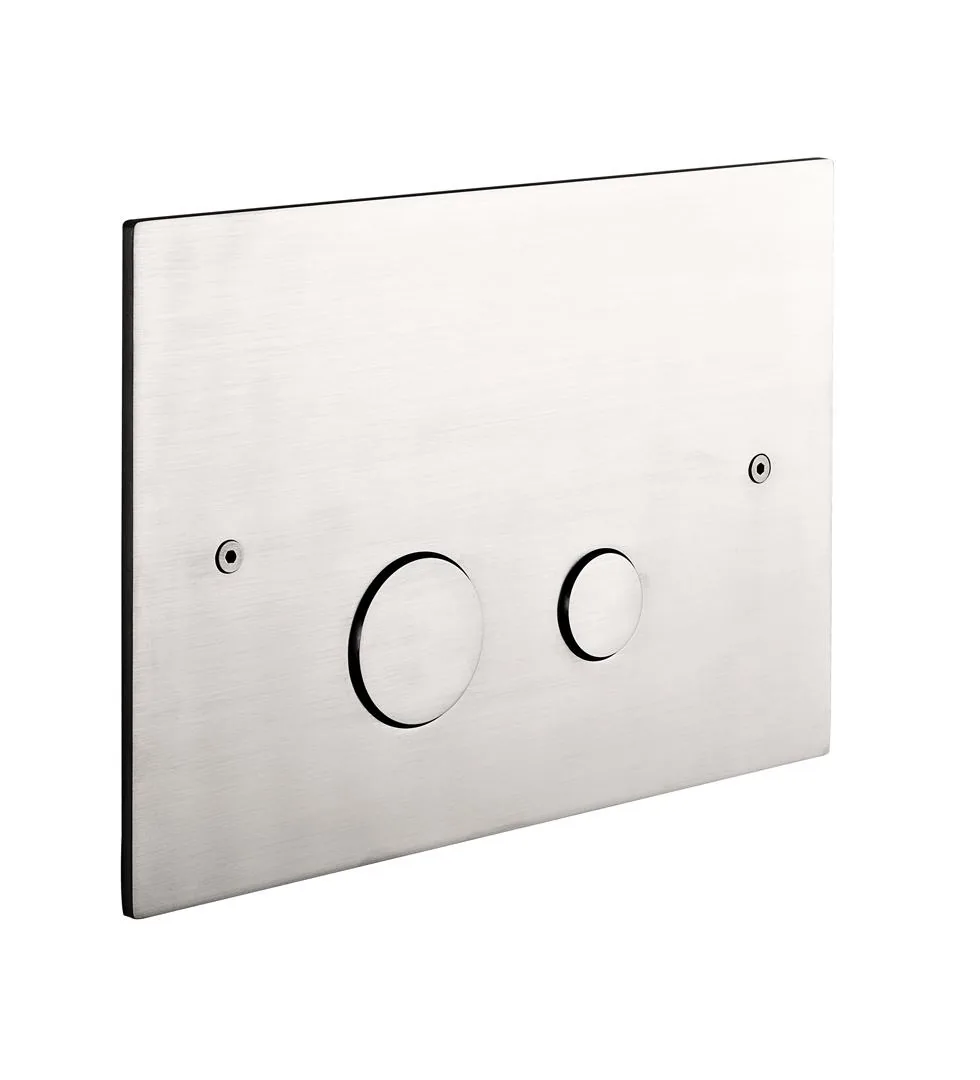 ProductDual Cistern WC Flush Plate2CORN576-BSAISI 316 stainless steel face, five finishes; plate size, cut out and the frame compatibility list are not published, so settle the frame model at first fix and confirm them with the supplier. Guide price £400 ex VAT.View in catalogue →
 ProductWall Mounted Toilet Roll Holder2MS37630-BSAISI 304 stainless steel, four finishes; the exact fixing and projection are not recorded, so take them from the selected product's own data. Guide price £85 ex VAT.View in catalogue →
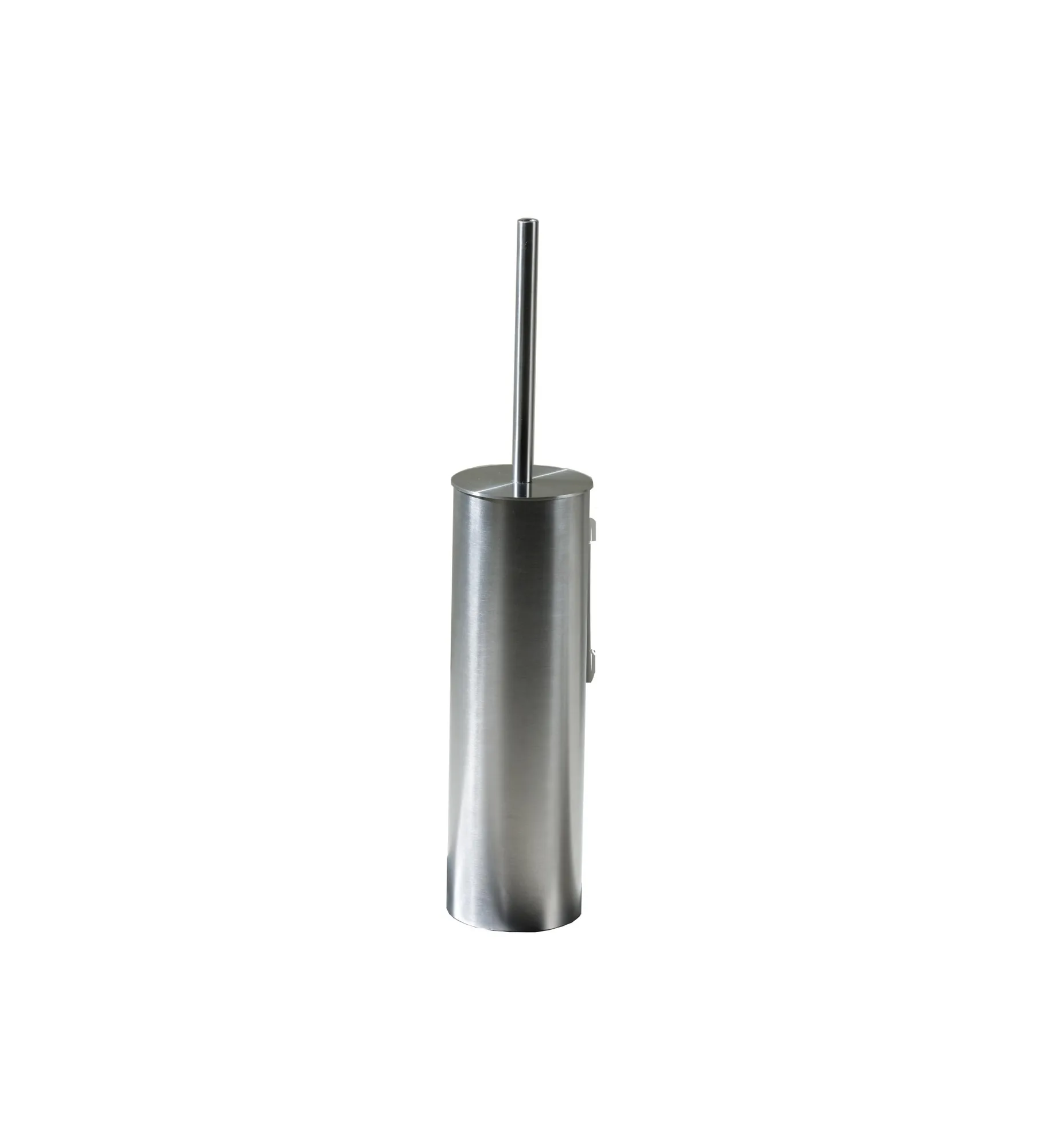 ProductWall Mounted Toilet Brush Holder2MS3536-BSAISI 304 stainless steel, four finishes; the fixing method is not recorded and should be confirmed with the supplier. Guide price £250 ex VAT.View in catalogue →
The FONTEA accessory range publishes its wall-mounted roll holder, toilet paper holder and brush holder in AISI 304 and does not currently publish 316 variants of them, so a schedule that needs a higher grade at those positions has to confirm the substitution with the supplier rather than assume the range carries one. The flush plate in this set is the opposite case: it is published in AISI 316, and the page states that plate size, cut out dimensions and the frame compatibility list are not published. That is the practical reason to treat frame compatibility as a first-fix decision and to settle it before the duct is tiled, not after.
Do not read this small example set as a comparative test. The listed grade, product construction, finish availability and guide price are catalogue details; the selection still needs to match the project specification and care plan. Note too that the wall-mounted roll holder and the brush holder come from the same accessory family, so the same finish is available across both, while the flush plate is offered in a wider finish set. Matching a metal across a room is a finish decision, and it does not by itself record a grade.
Build a decision record
For every accessory, record:
- Product page, exact variant and stated material grade.
- Room location and relevant exposure conditions.
- Finish and any project-specific appearance requirement.
- Cleaning products, method and inspection routine.
- Fixing substrate, replacement access and responsible maintenance team.
- Technical approval or clarification needed before purchase.
This makes it easier to review a proposed substitution. A substitute should be checked against the same requirements, including the stated grade, finish, dimensions and maintenance information. Similar appearance does not establish equivalent material or service performance.
Plan cleaning and inspection with the material choice
Material selection and housekeeping are connected. Specify the approved care method and make it available to the people responsible for cleaning. Review cleaning agent instructions alongside accessory guidance, follow HSE COSHH guidance when chlorine-based or other corrosive cleaning chemicals are involved, and train teams to report staining, pitting, loose fittings or an unexpected finish change rather than trying progressively harsher spot treatments.
Keep an inspection record that identifies the item, room, observed condition and maintenance response. This information helps the project team investigate recurring issues. It does not prove a root cause without technical assessment, but it is more useful than a general note that a fitting “looks wrong.”
For cleaning guidance, see how to set a chemical-control routine for stainless accessories. If the project requires evidence beyond a catalogue grade, read what salt-spray reports can and cannot show.
The useful specification is the one that ties a product's documented grade to its real room conditions and maintenance plan. Traffic alone cannot supply that context.
Specify it from the catalogue
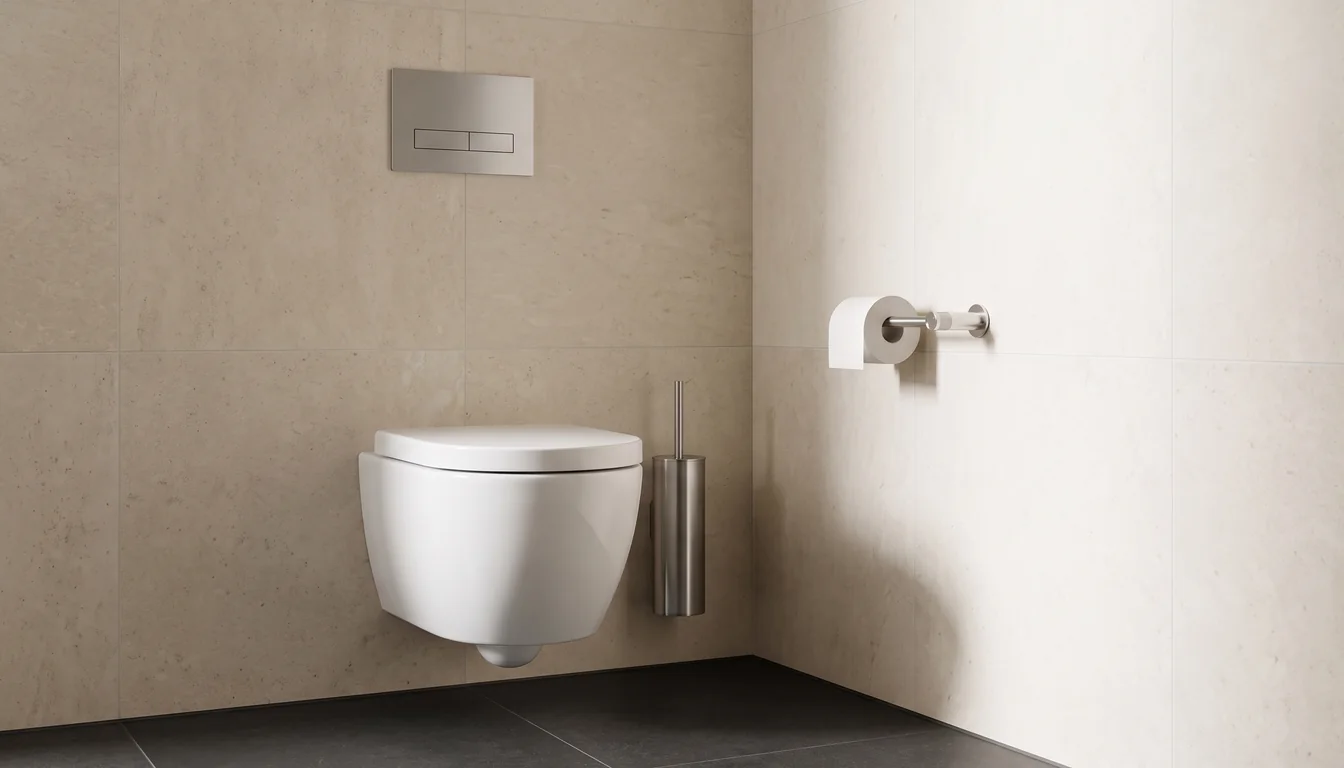
Every fitting mentioned here is stocked and specified in the FONTEA trade catalogue: full technical data, finishes and wholesale tiers.
Related reading
-
 Commercial projects
Who Buys Bathroom Accessories on a Build-to-Rent or Hotel Project?
Assign accessory selection, procurement, backing, installation and handover responsibilities explicitly across FF&E and construction packages.
-
 Maintenance
Housekeeping and Stainless Steel: Which Cleaning Chemicals Damage Bathroom Accessories?
Create a practical cleaning protocol for stainless bathroom accessories that controls product choice, dilution, contact time, rinsing and escalation.
-
 Procurement
Finish Consistency Across Hundreds of Rooms: Sample Approval and Batch Control
Set a repeatable finish-approval process for bathroom accessories with physical samples, controlled schedules, first-room checks and recorded batch inspections.